
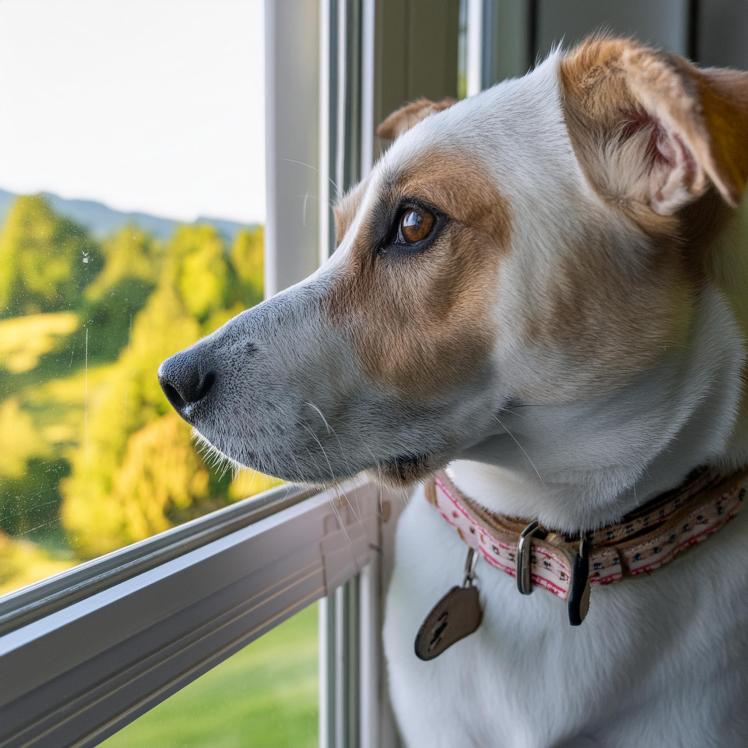
Dog separation anxiety is a common challenge faced by pet owners, causing distress for both dogs and their families. When left alone, some dogs experience anxiety, which can manifest in behaviours such as destructive chewing, excessive barking, or even self-harm. Understanding and addressing this issue promptly can enhance your pet’s well-being and restore harmony to your home. Here are some practical tips to quickly alleviate separation anxiety in dogs.
Understand the Signs of Separation Anxiety
Before you can treat separation anxiety, you need to recognise its signs. Common symptoms include:
– Destructive Behaviour: Chewing on furniture, doors, or shoes, especially when left alone.
– Excessive Barking or Howling: Making continuous noise while the owner is not home.
– Pacing: Walking along a specific path in a fixed pattern when alone.
– Attempts to Escape: Scratching doors or windows to reach the owner.
Recognising these behaviours as signs of anxiety is the first step in addressing the issue.
Quick Relief Strategies
1. Create a Safe Space
Designate a comfortable area where your dog can feel secure when you’re away. This could be a crate if they find it comforting or a special room with their bed and favourite toys. Familiar scents and objects can provide comfort and security.
2. Gradual Desensitization
Start by leaving your dog alone for very short periods, gradually increasing the duration as they become more comfortable. This helps them learn that solitude is safe and that you will return.
3. Use Anxiety Aids
Consider products designed to reduce anxiety, such as:
- Calming Treats and Supplements: These can help soothe your dog’s nerves. Always choose vet-approved products.
- Calming Home Diffuser: ADAPTIL Calm Home Diffuser is something we have used for fireworks in the past
- Anxiety Wraps: Similar to swaddling a baby, these wraps provide gentle, constant pressure to help calm nervous pets. The ThunderShirt Calming Jacket for Dogs is a popular choice on Amazon.
4. Keep Departures and Arrivals Low-Key
Avoid making a big fuss when you leave or come home. This helps to normalise the act of leaving and reduce anxiety associated with your departures and returns.
5. Incorporate Plenty of Exercise
Ensure your dog gets plenty of physical activity before you leave. A tired dog is less likely to feel anxious and more likely to rest while you’re away.
6. Consider Doggy Daycare or a Pet Sitter
If your dog struggles with being alone, consider companionship options like The Spaniel House daycare service or hiring a pet sitter who comes to your home. These can be particularly effective for easing the anxiety of dogs who need constant companionship.
7. Behavioural Training
Consult a professional dog trainer or a behaviourist who specialises in separation anxiety. They can provide personalised strategies and training routines that can offer long-term solutions.
8. Implement Consistently
The key to successfully managing and curing dog separation anxiety quickly is consistency. Apply these strategies consistently and adjust based on your dog’s response. Remember that each dog is unique, and what works for one might not work for another. Patience and persistence are crucial.
Other Resources
Separation anxiety in dogs affects many pets and their owners. Understanding the signs and implementing effective strategies can quickly reduce your dog’s anxiety and improve its quality of life. Remember, if your efforts to manage separation anxiety do not improve your pet’s behaviour, it’s important to consult a veterinarian to rule out any underlying medical issues.
The Blue Cross have a useful page on separation anxiety and the RSPCA also have guideance for treating separation anxiety if you are interested in finding out more information
 The Spaniel House